


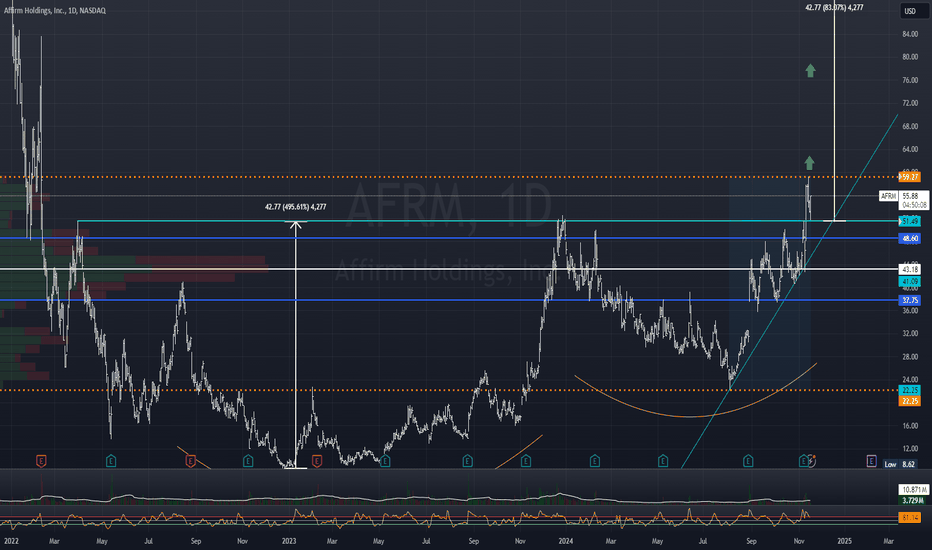



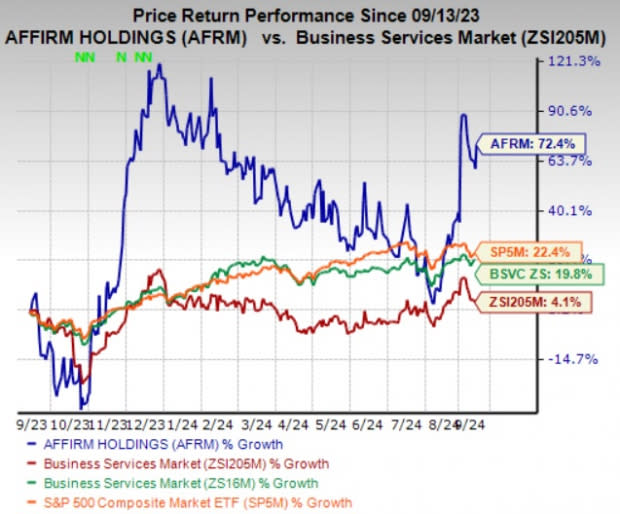

Affirm Holdings, Inc. (NASDAQ: AFRM) has quickly established itself as a pioneer in the “buy now, pay later” (BNPL) space, which allows consumers to split purchases into installments rather than using traditional credit cards. Affirm’s business model has found a large, loyal following, and the company’s partnerships with major players like Amazon and Shopify have fueled its rapid growth. But with growing competition, economic pressures, and increasing regulatory scrutiny, the question on many investors’ minds is: can Affirm sustain its momentum?
In this article, we’ll explore Affirm’s growth drivers, the challenges it faces, and whether it’s positioned to continue expanding in the evolving financial landscape.
Affirm’s Growth Drivers
- Strong Demand for Buy Now, Pay Later Services
Affirm has capitalized on the growing consumer demand for alternatives to credit cards, especially among younger generations. BNPL services appeal to users who want to avoid revolving credit debt and are drawn to transparent, predictable payment structures. Affirm’s model, which doesn’t charge late fees or compound interest, has resonated strongly, allowing the company to build trust and differentiate itself from traditional lenders and some BNPL peers. - High-Profile Partnerships
Affirm’s partnerships with Amazon, Shopify, and Walmart give it an impressive reach. These partnerships allow Affirm to place its services in front of millions of consumers, providing visibility and credibility in a crowded field. The Amazon deal, in particular, has been a major growth driver, as it positions Affirm’s BNPL option on one of the largest e-commerce platforms globally. Such partnerships boost transaction volumes, and Affirm’s exclusivity with Amazon creates a competitive edge. - Innovative Technology and Data Capabilities
Affirm’s proprietary data and analytics capabilities allow it to assess the risk of extending credit in real-time, reducing the likelihood of loan defaults. By using algorithms to evaluate a consumer’s ability to repay, Affirm has been able to manage risk while growing its user base. This data-driven approach enables it to offer personalized financing options, which can enhance the customer experience and increase user retention. - Expanding Financial Services Beyond BNPL
Although BNPL is Affirm’s core business, the company is diversifying its offerings. It has introduced high-yield savings accounts, and CEO Max Levchin has hinted at further expansion into financial products. This diversification could reduce Affirm’s reliance on BNPL revenue and increase its resilience to industry-specific headwinds. By developing a more holistic suite of financial services, Affirm has the potential to deepen customer relationships and increase its revenue per user.
Key Challenges Facing Affirm’s Growth
- Intense Competition in the BNPL Market
Affirm is far from the only company in the BNPL space, with competitors like Klarna, Afterpay, and PayPal all vying for market share. Many large financial institutions are also exploring BNPL solutions, adding pressure on Affirm to differentiate itself. As competition intensifies, Affirm may face pricing pressure, which could impact its margins. To stay competitive, Affirm might need to ramp up its spending on marketing, partnerships, and customer incentives, which could weigh on profitability. - Regulatory Uncertainty and Potential Constraints
The rapid growth of the BNPL industry has drawn attention from regulators in the United States and around the world. Lawmakers are exploring potential regulations to ensure that BNPL providers like Affirm protect consumers from accumulating excessive debt. New regulations could introduce compliance costs or even limit certain aspects of BNPL offerings, impacting the company’s business model. Affirm has acknowledged this potential risk and is monitoring regulatory developments, but any significant changes could impact its operations and growth rate. - Macroeconomic Conditions and Consumer Spending Patterns
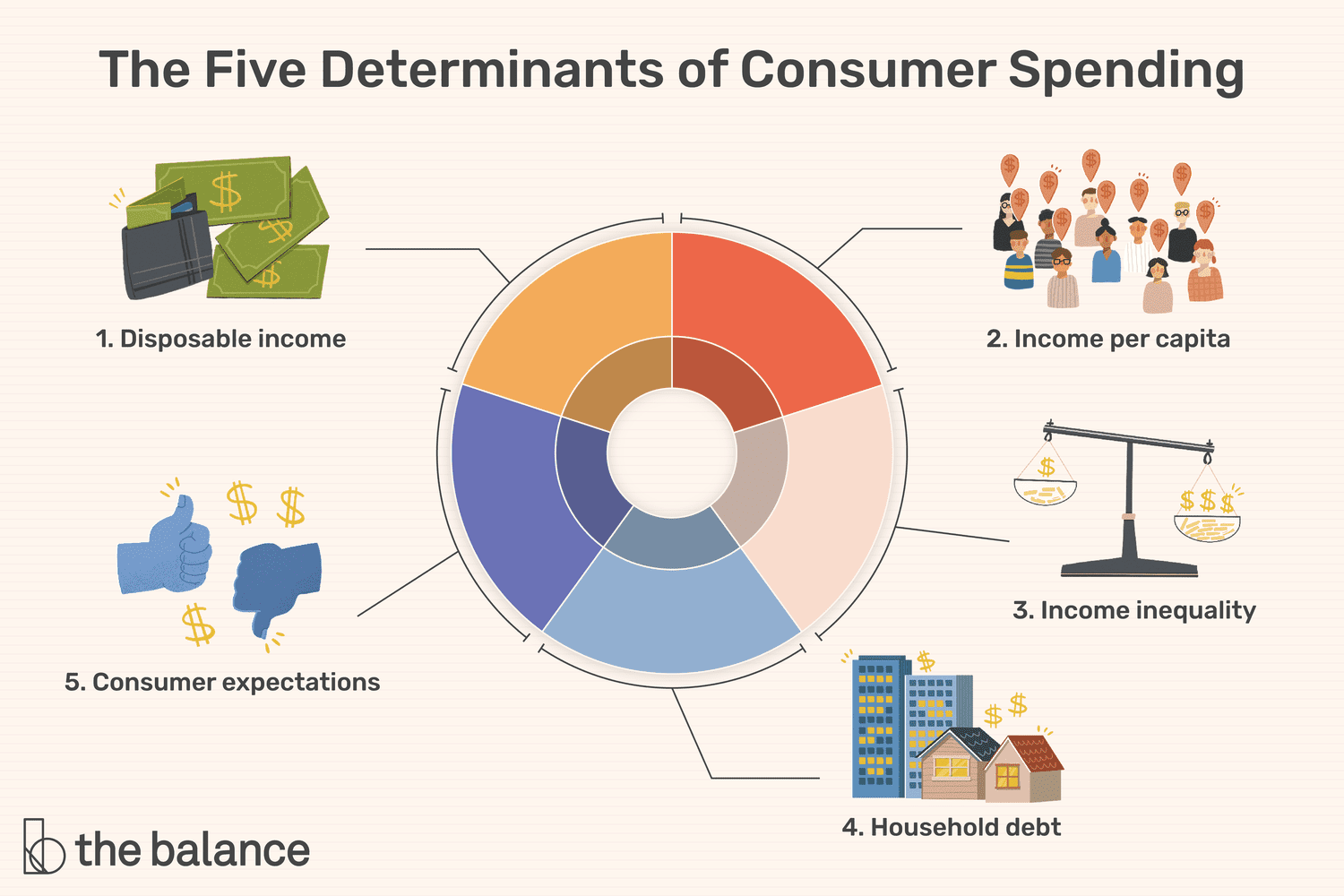
Affirm’s growth is closely tied to consumer spending, especially within e-commerce. Economic downturns, inflation, and rising interest rates can impact consumer confidence and spending habits, particularly for discretionary purchases, which make up a large portion of Affirm’s transactions. A decline in consumer spending could reduce Affirm’s transaction volume and revenue. Furthermore, Affirm’s own borrowing costs are sensitive to interest rate increases, which could squeeze margins in a high-rate environment. - Path to Profitability
While Affirm has grown rapidly, it has yet to achieve consistent profitability. The company has been prioritizing growth, expanding its merchant base, and investing in customer acquisition, which are costly endeavors. Although this approach is typical for high-growth tech companies, Affirm will eventually need to demonstrate a clear path to profitability to sustain investor confidence. Achieving profitability while maintaining growth could be challenging, particularly if market dynamics or regulatory costs increase.
Affirm’s Growth Strategies Moving Forward
- Expanding Merchant Network
Affirm continues to expand its merchant network, both domestically and internationally. Adding new retailers and partners allows Affirm to reach a wider consumer base and increase transaction volumes. Beyond major players like Amazon, Affirm is targeting smaller businesses and even international markets, aiming to establish itself as the preferred BNPL provider across different sectors and geographies. - Enhancing Consumer Offerings
Affirm is working to enhance its offerings to provide more comprehensive financial services to consumers. By offering high-yield savings accounts and potentially exploring personal loans or investment products, Affirm aims to create a “financial ecosystem” that keeps consumers within its platform. This strategy could increase customer retention and generate new revenue streams. - Leveraging Technology for Improved Risk Management
As the company scales, maintaining effective risk management will be essential. Affirm’s AI-powered analytics and machine learning models allow it to assess credit risk in real time. By improving the accuracy of its underwriting, Affirm can extend credit to a broader range of consumers while managing default rates. Investing in technology to refine risk assessments and improve payment flexibility could help Affirm balance growth and profitability. - Entering New Markets and Demographics
Affirm is looking to broaden its user demographics and expand beyond its current market focus. While millennials and Gen Z consumers have been a significant part of Affirm’s success, the company is exploring ways to reach older demographics and new geographic markets. Expanding its presence internationally, where BNPL is still growing, could provide new growth opportunities. - Focus on Brand Loyalty and Customer Experience
Affirm’s transparency and customer-centric approach have been significant differentiators. By maintaining a focus on a transparent, no-hidden-fee model, Affirm has cultivated trust among its users. Emphasizing this approach and refining the customer experience could help Affirm retain customers, even as competition grows. Additionally, loyalty programs or rewards systems could encourage repeat use, driving up the lifetime value of each customer.
Can Affirm Sustain Its Momentum?
Affirm’s growth story is impressive, but it comes with risks. The company has positioned itself as a leader in the BNPL market and has diversified its offerings to hedge against industry-specific volatility. Its partnerships, innovative technology, and expansion into financial services suggest a solid foundation for growth. However, the path forward is not without obstacles.
Affirm will need to carefully navigate regulatory uncertainties, economic headwinds, and increased competition to sustain its growth. While it has a promising trajectory, it will be crucial for Affirm to demonstrate a clear path to profitability and maintain its brand value as a customer-centric, transparent provider. If it succeeds, Affirm could continue to be a dominant player not only in BNPL but also in the broader fintech landscape.
For long-term investors, Affirm presents a high-risk, high-reward opportunity. Its growth potential is substantial, but so are the risks associated with regulatory changes and market competition. In the coming years, Affirm’s ability to adapt and expand its offerings will be key in determining whether it can maintain its momentum and deliver sustainable returns for its shareholders.