





Affirm Holdings (NASDAQ: AFRM) has made significant waves in the fintech industry with its Buy Now, Pay Later (BNPL) model, which allows consumers to make purchases and pay over time, often with little to no interest. The company has built a strong customer base and formed key partnerships with some of the world’s biggest retailers, establishing itself as a leader in the BNPL sector.
However, like any investment, buying shares in Affirm Holdings comes with its own set of risks. Investors who are eyeing AFRM stock should be aware of the potential challenges that could affect the company’s growth, profitability, and stock performance in both the short and long term. Here, we’ll take a closer look at some of the key risks associated with investing in Affirm.
1. Regulatory Risks: The Growing Scrutiny of BNPL Services
As the BNPL market has exploded in recent years, it has drawn increased attention from regulators around the world. Policymakers are concerned about the potential for consumers to fall into debt traps, especially as BNPL services become more popular among younger, financially inexperienced shoppers.
In particular, regulators in markets like the United States, the European Union, and Australia are considering stricter rules for BNPL companies. These regulations could involve tighter restrictions on lending practices, more stringent credit checks, and limitations on late fees or interest charges.
For Affirm, any regulatory changes could lead to increased compliance costs, operational disruptions, or limitations on the types of loans it can offer. Stricter regulations could also affect consumer demand for BNPL products if they become less flexible or more expensive due to new regulatory requirements. As a result, regulatory risks represent a significant concern for investors considering AFRM stock, as such changes could hurt the company’s growth potential.
2. Competition: Intense Rivalry in the BNPL Sector
Affirm operates in an increasingly crowded market, with a host of competitors vying for dominance in the BNPL space. Major players like Klarna, Afterpay (now part of Block, Inc.), and PayPal Credit are all aggressively expanding their market shares, both in the U.S. and internationally. Additionally, traditional financial institutions and large tech companies are also eyeing the BNPL sector as a profitable growth opportunity.
Affirm’s competitors are often well-funded and may have advantages in terms of brand recognition, customer base, or access to capital. Klarna, for example, has been a dominant force in Europe and is quickly gaining traction in the U.S. Meanwhile, Afterpay’s acquisition by Block, Inc. has given it significant financial backing and access to a vast network of small businesses. PayPal Credit’s integration into PayPal’s global platform also provides strong competition.
As competition intensifies, Affirm may face pricing pressures, reduced market share, and difficulty maintaining its growth trajectory. The company’s ability to continue differentiating itself with innovative products, competitive rates, and strong partnerships will be crucial to its long-term success. However, as new entrants flood the market, investors should be wary of the risks posed by heightened competition.
3. Credit Risk and Loan Defaults
At the core of Affirm’s business model is the provision of consumer loans at the point of sale. While Affirm’s machine learning algorithms help assess creditworthiness, there is always the risk that a significant portion of its customers could default on their loans. This is a common risk in the lending industry, especially when dealing with unsecured loans like the ones Affirm offers.
Affirm does have mechanisms in place to minimize defaults, including its partnerships with merchants, which reduce the risk of fraud. The company also uses its AI-driven credit models to assess consumer risk more effectively. However, even with these precautions, a downturn in the economy, rising unemployment, or changes in consumer behavior could lead to higher default rates.
Additionally, if Affirm faces an increase in loan defaults, its revenue could be impacted, and the company may need to write off a significant portion of its loan book. Such events could hurt investor sentiment, leading to a decrease in stock price.
4. Interest Rate Sensitivity: Impact of Rising Rates
Affirm offers both interest-free and interest-bearing installment plans. However, the company’s business model is sensitive to changes in interest rates, especially in periods of rising rates. When interest rates increase, the cost of borrowing rises, which could discourage consumers from using BNPL services. Additionally, higher rates could make it more expensive for Affirm to access capital for lending, which could impact its profitability.
As the Federal Reserve and other central banks adjust interest rates in response to economic conditions, Affirm’s growth could be impacted if consumers become more cautious about taking on credit or if Affirm’s financing costs rise significantly. The current economic environment, with inflationary pressures and potential interest rate hikes, could exacerbate this risk.
Investors should be prepared for the possibility that higher interest rates may negatively impact Affirm’s business performance, especially if these rate hikes result in decreased demand for BNPL products or increased borrowing costs for the company.
5. Dependence on Retail Partnerships
Affirm’s business model relies heavily on its relationships with retailers, such as Walmart, Peloton, Amazon, and Shopify, to drive sales. These partnerships allow Affirm to offer BNPL options directly at the point of sale, providing consumers with immediate access to its financing products.
However, this reliance on external partners exposes Affirm to risks beyond its control. For example, if a key retail partner decides to discontinue or limit its use of Affirm’s services, the company could lose a substantial source of revenue. Moreover, competition among BNPL providers to secure exclusive retail partnerships could make it harder for Affirm to maintain and expand its retail network.
Furthermore, any changes in the business strategy or financial stability of these retail partners—such as a decline in sales or a shift toward other payment options—could have a direct negative impact on Affirm’s growth prospects.
6. Profitability Challenges
Despite significant revenue growth, Affirm has yet to achieve consistent profitability. Like many growth companies, Affirm has invested heavily in expanding its market share, forming partnerships, and developing technology, all of which require substantial capital expenditures. While these investments have fueled rapid top-line growth, they have also contributed to high operating costs.
The company’s path to profitability remains uncertain, and it faces significant challenges in balancing growth with sustainable earnings. In particular, Affirm’s model of offering interest-free loans for short-term purchases, while attractive to consumers, may limit its ability to generate sufficient margins on certain products.
If Affirm is unable to scale its operations effectively or reduce its operating costs, it could continue to face pressure on profitability, which could in turn affect investor sentiment and stock price.
7. Macroeconomic Risks: Recession or Economic Slowdown
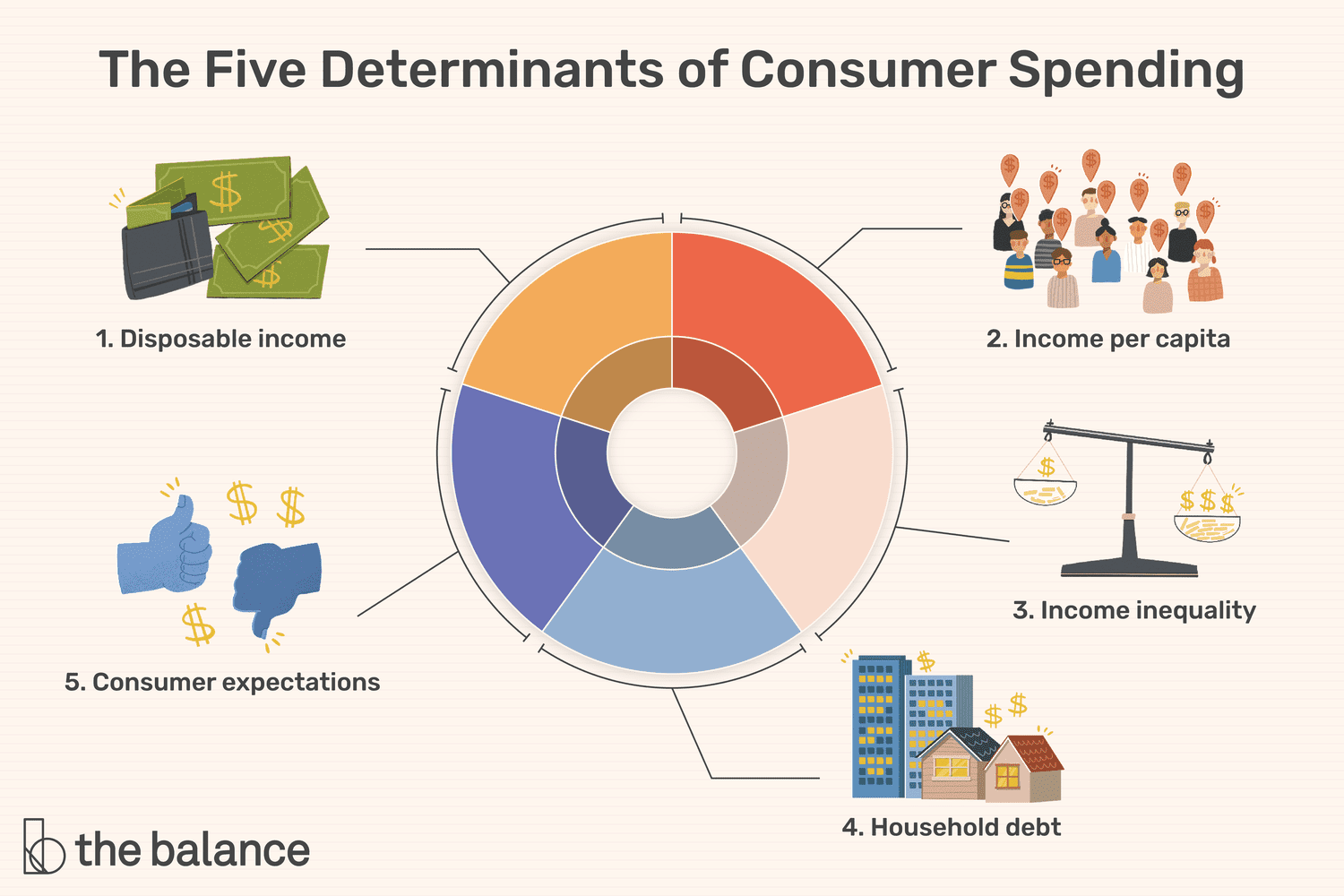
Affirm, like many consumer-facing companies, is exposed to broader macroeconomic risks, including the potential for a recession or economic slowdown. During periods of economic uncertainty, consumers may become more cautious about spending and taking on debt, leading to lower demand for BNPL services. Higher unemployment rates, reduced disposable income, and a drop in consumer confidence could negatively impact Affirm’s ability to drive growth.
Moreover, economic slowdowns may lead to higher default rates on loans, further impacting Affirm’s financial performance. If the company experiences a decline in consumer spending or faces more defaults due to a weakening economy, it could lead to a challenging operating environment and put downward pressure on AFRM stock.
Conclusion: Weighing the Risks of Investing in Affirm Holdings
While Affirm offers exciting growth potential in the rapidly expanding BNPL space, it is important for investors to consider the risks associated with investing in the company. Regulatory changes, heightened competition, credit risk, interest rate sensitivity, and dependence on retail partnerships all pose significant challenges that could impact Affirm’s long-term performance.
Affirm’s path to profitability also remains uncertain, and the broader macroeconomic environment could create additional headwinds. As with any investment, understanding these risks and keeping a close eye on the company’s financial health and market conditions will be critical for anyone looking to invest in AFRM stock.
Investors should carefully assess these risks before making any decisions, ensuring they are comfortable with the potential volatility and challenges that may come with investing in a high-growth fintech company like Affirm.