

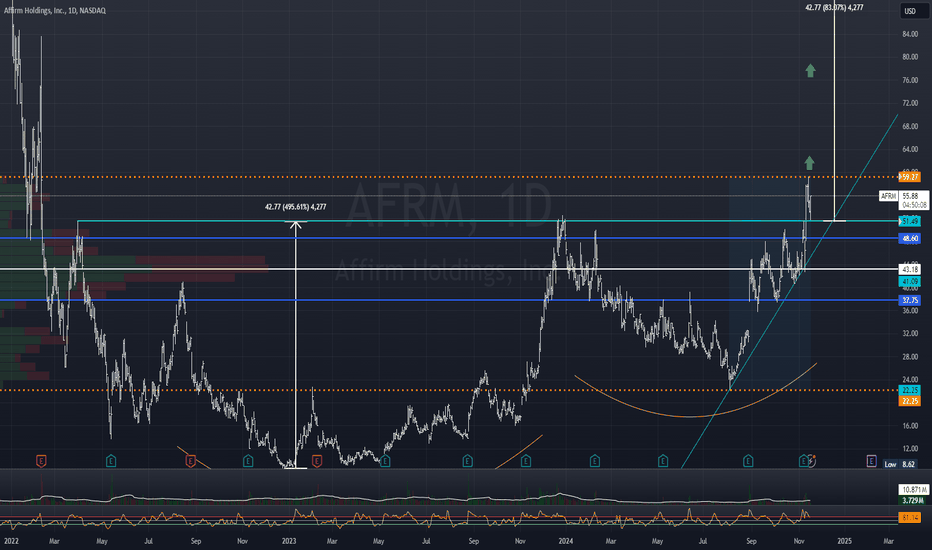



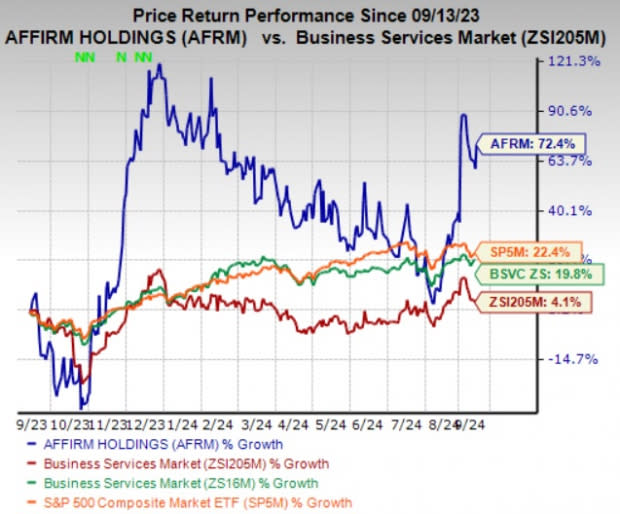

Affirm Holdings, Inc. (NASDAQ: AFRM), a leader in the “buy now, pay later” (BNPL) market, has been making waves in the stock market since its 2021 IPO. From sharp rallies to sudden declines, Affirm’s stock price has displayed significant volatility, reflecting both investor enthusiasm and wariness. But what exactly is driving these price swings? Below, we explore the factors contributing to Affirm’s stock volatility and what they could mean for investors.
1. Macro Trends in Consumer Spending and Economic Conditions
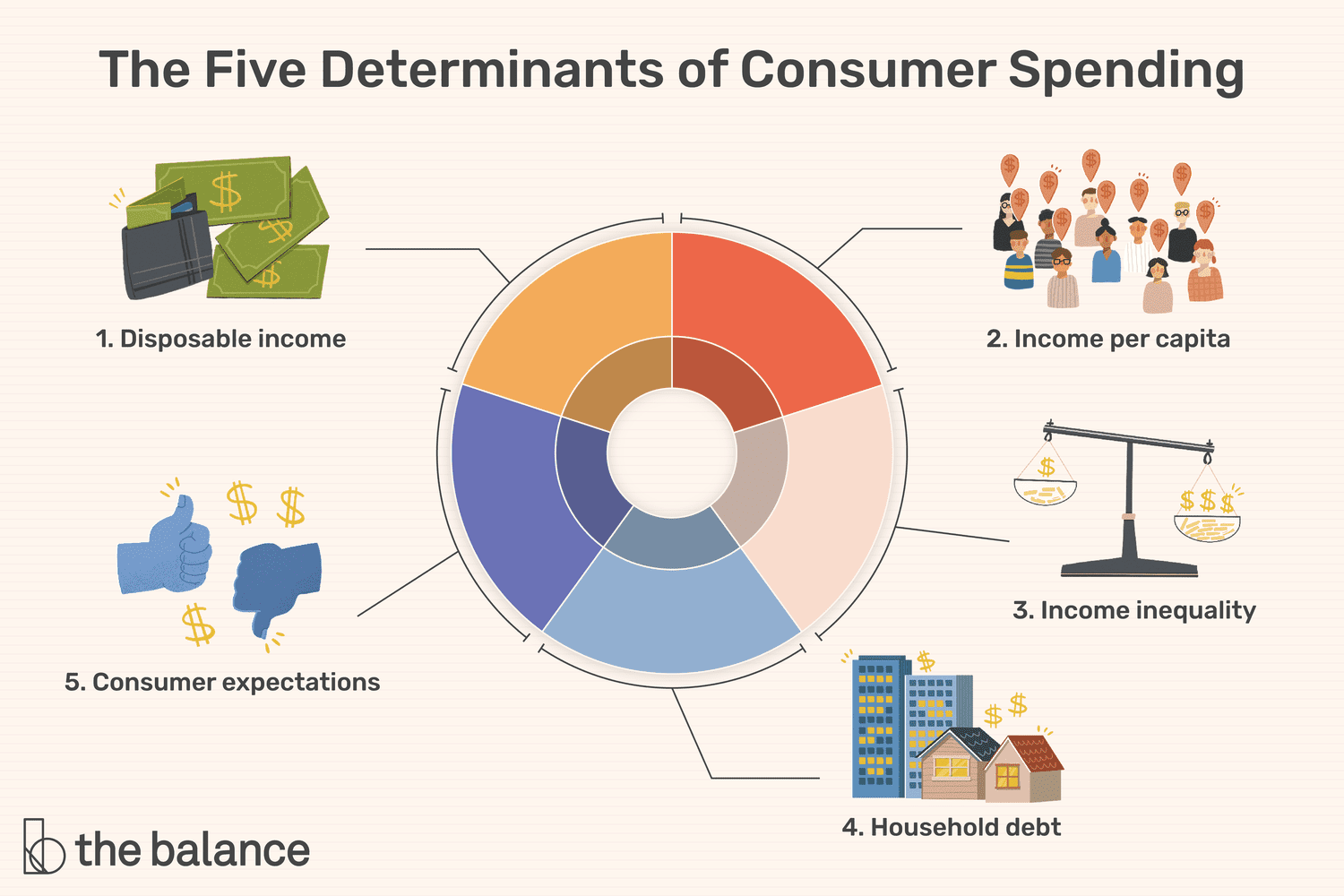
Affirm’s business model relies on consumer spending, particularly in the e-commerce and retail sectors, as it provides installment-based payment options for online purchases. When consumer confidence is high, people are more likely to spend, supporting Affirm’s transaction volumes. However, in times of economic uncertainty or rising interest rates, consumer spending often slows, directly impacting Affirm’s performance.
In recent months, concerns about inflation and potential economic slowdowns have impacted the overall market, with particular pressure on consumer finance companies like Affirm. Rising interest rates, in particular, are a double-edged sword for Affirm: they not only increase borrowing costs, potentially squeezing the company’s margins, but can also dampen consumer demand as people become more cautious with their spending.
2. The Rise and Potential Regulation of BNPL Services
The BNPL sector has seen explosive growth, driven by younger consumers seeking alternatives to traditional credit. However, this growth has drawn regulatory scrutiny. Authorities in various countries, including the United States, are evaluating the BNPL industry for potential consumer risks, such as debt accumulation and lack of credit score impact. New regulations could introduce additional compliance costs for Affirm or restrict certain practices, adding uncertainty and potential costs that could weigh on its stock price.
Even the possibility of increased regulatory oversight has created volatility, as investors try to gauge how new rules might impact Affirm’s operations and profitability. If regulators implement significant changes, Affirm may need to adjust its business model, which could impact its revenue and growth outlook.
3. Earnings Reports and Performance Metrics
Affirm’s stock price is highly sensitive to its quarterly earnings reports, with price fluctuations often following earnings announcements. Investors pay close attention to key performance indicators such as:
- Gross Merchandise Volume (GMV): The total dollar amount of sales transacted through Affirm’s platform. This metric gives insight into Affirm’s scale and growth potential, as a high GMV typically reflects strong demand.
- Active Consumer and Merchant Growth: Affirm’s ability to grow its user base and attract more merchants is crucial for sustaining long-term growth. If either metric falls short of expectations, it can trigger a decline in the stock price.
- Revenue and Profit Margins: Affirm has yet to reach consistent profitability, which remains a critical focus for investors. Any slowdown in revenue growth or deterioration in profit margins is closely watched and often results in stock volatility.
In recent earnings announcements, Affirm has sometimes exceeded revenue expectations but still reported net losses. Mixed financial results tend to create swings in investor sentiment, leading to sharp price movements around earnings dates.
4. Partnerships with Key Retailers
Affirm has secured high-profile partnerships with Amazon, Shopify, Walmart, and other major retailers, which give it a strong competitive advantage in the BNPL industry. The company’s partnership with Amazon, in particular, is a major win, providing significant visibility and access to millions of consumers. News of new partnerships or expansions often sends the stock price up, as investors see these deals as signs of future revenue growth.
However, reliance on a few key partnerships also introduces risk. For example, any announcement of a partnership loss or reduced visibility on major platforms could negatively impact the stock. Investors are acutely aware that if Affirm were to lose Amazon or another big partner, it would significantly impact its growth trajectory, leading to volatility in the stock price.
5. Competitive Landscape in the BNPL Sector
The BNPL industry is growing, but it’s also becoming increasingly competitive. Major players like Klarna, Afterpay, and PayPal’s BNPL services compete with Affirm for consumer and merchant relationships. Additionally, traditional financial institutions are beginning to explore BNPL solutions, adding pressure from established players with significant resources.
Increased competition can lead to margin pressure as companies try to attract customers through promotional financing offers or lower interest rates. Affirm may need to invest heavily in marketing and incentives to maintain its market share, potentially impacting profitability. News of aggressive competition or new entrants to the market often creates price fluctuations for Affirm’s stock as investors adjust their expectations around the company’s market positioning.
6. Investor Sentiment and Speculation in Growth Stocks
Affirm is part of a broader trend in high-growth tech stocks, which have been especially sensitive to market sentiment in recent years. Investors in growth stocks often react strongly to changes in macroeconomic conditions, industry outlooks, and company-specific news. Positive sentiment toward growth stocks can drive Affirm’s stock price up, while broader market sell-offs can have an outsized impact on Affirm due to its high beta (a measure of volatility relative to the market).
Because Affirm operates in a fast-growing but still evolving sector, it attracts a mix of institutional and retail investors, including those with shorter time horizons. This mix can lead to pronounced price swings based on news, speculation, and general market trends rather than long-term fundamentals alone.
7. Affirm’s Path to Profitability
Affirm, like many tech-focused growth companies, has prioritized scaling its operations over immediate profitability. This approach is attractive to investors looking for long-term growth, but as the market becomes more risk-averse, there’s increased pressure for tech companies to show a clear path to profitability.
Affirm’s profitability depends on its ability to balance growth investments with sustainable operating margins. If Affirm begins to show progress toward profitability, it could reduce stock volatility by reassuring investors. Conversely, any signal that profitability may be further delayed tends to drive the stock down, as it raises questions about the company’s financial viability in the medium term.
Final Thoughts
Affirm’s stock price volatility reflects the unique dynamics of the BNPL industry, the competitive and regulatory landscape, and the broader economic environment. For long-term investors, Affirm’s strong position in the BNPL market and valuable partnerships offer an enticing growth story. However, the stock’s sensitivity to macroeconomic shifts, competition, and potential regulation makes it a high-risk, high-reward play.
As Affirm navigates its path to profitability, investors should expect continued volatility. Staying informed about industry trends, regulatory changes, and Affirm’s quarterly financial performance can help investors make more informed decisions about whether to buy, hold, or sell Affirm stock.