

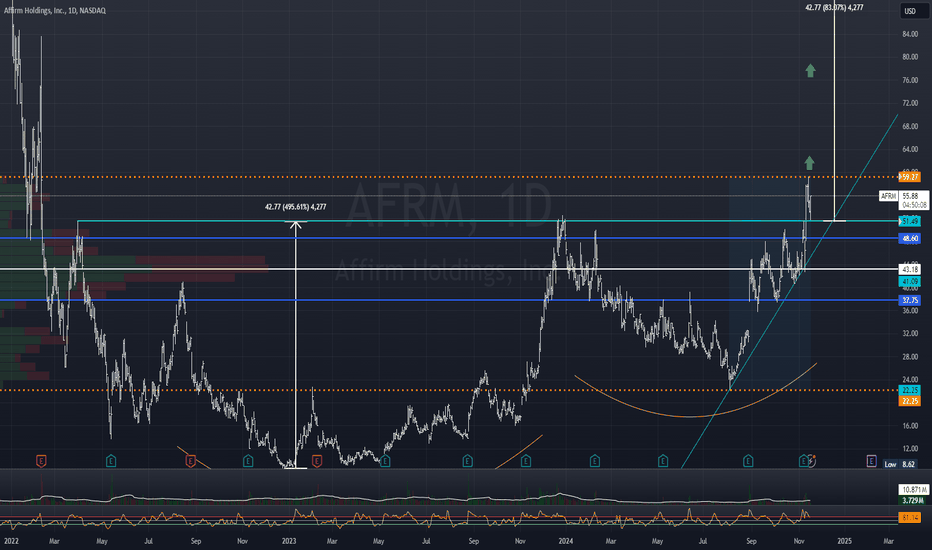



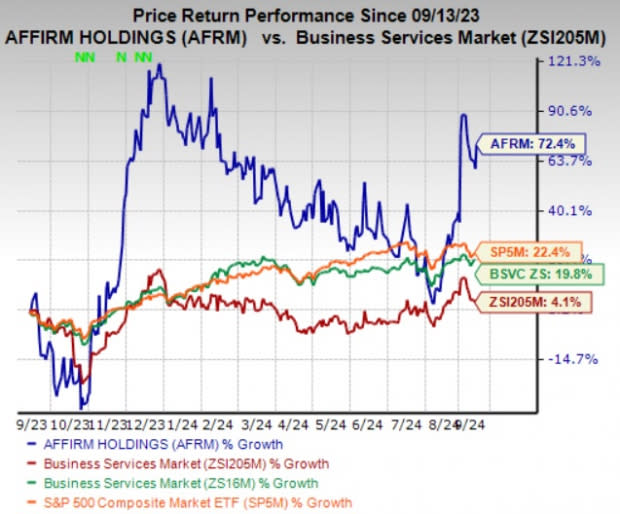
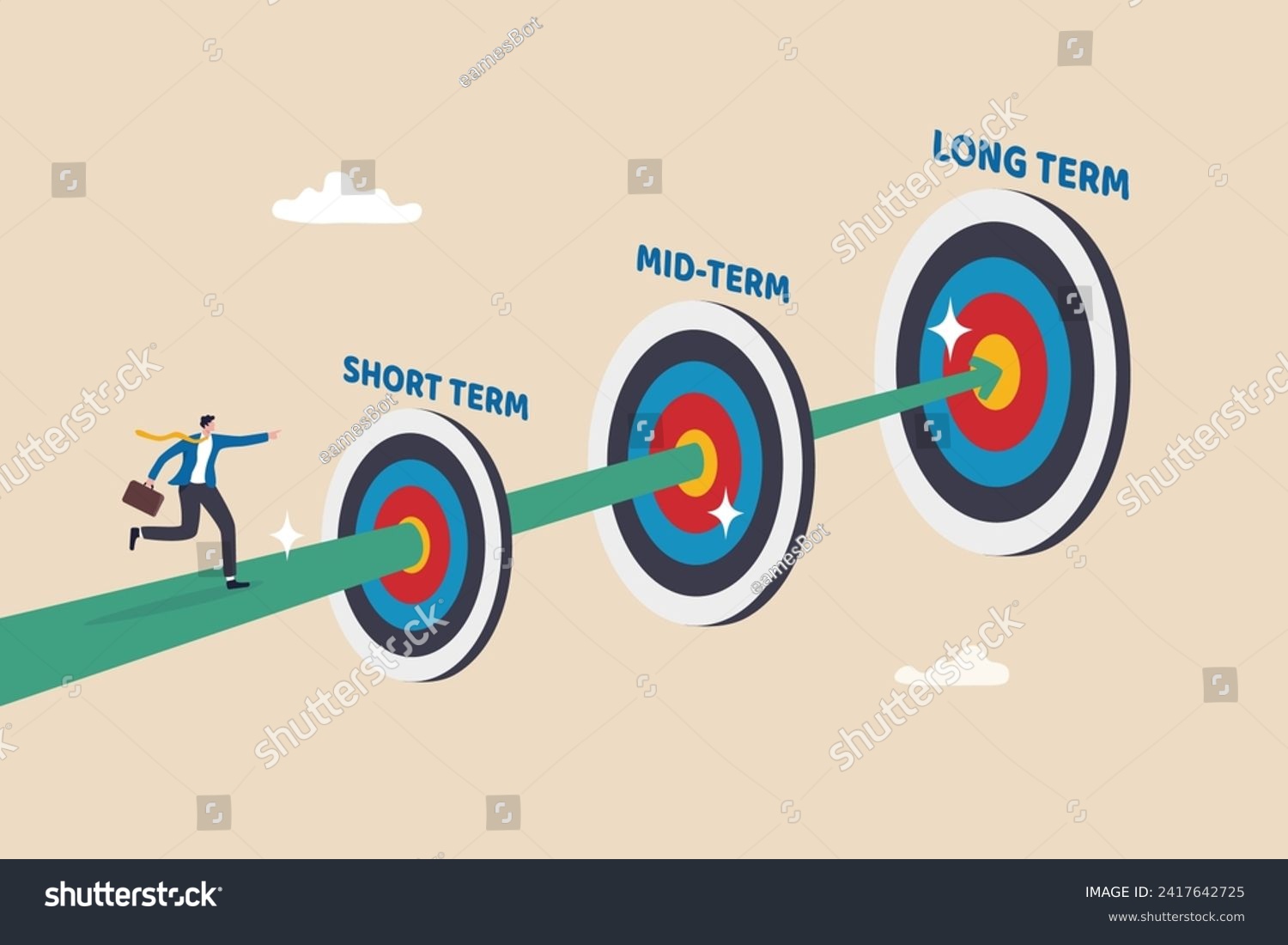
Affirm Holdings, Inc. (NASDAQ: AFRM) made a name for itself as one of the leaders in the “buy now, pay later” (BNPL) space, offering consumers the ability to pay for purchases in installments rather than traditional credit options. Since its IPO in early 2021, Affirm’s stock has experienced significant highs and lows, reflecting both optimism about its growth potential and caution about the inherent risks. For investors, the key question remains: Is AFRM a stock with strong long-term potential, or is it a short-term gamble?
In this article, we’ll explore Affirm’s growth prospects, market challenges, and the factors that might help investors determine whether AFRM is a fit for a long-term portfolio or better suited for speculative, short-term trading.
The Case for Long-Term Potential
- BNPL Market Growth and Affirm’s Early Mover Advantage
The BNPL industry has seen tremendous growth in recent years, driven by younger consumers’ preference for transparent, interest-free payment options over traditional credit. A report from Research and Markets projects that the BNPL industry could grow at a compound annual growth rate (CAGR) of over 20% until 2028, fueled by an increasing number of partnerships and adoption by major retailers. Affirm, as one of the early leaders in this market, has established a strong brand and user base that could support long-term growth.
Affirm’s partnership with Amazon is a particular advantage. Being the exclusive BNPL provider on the Amazon platform places Affirm in front of a massive user base, potentially positioning it to capture a significant share of online installment payments. Such partnerships enhance Affirm’s brand visibility, helping it stand out in a competitive landscape.
- Expansion Beyond BNPL
While BNPL is Affirm’s core business, the company is diversifying its offerings. Affirm has started to provide other financial services, such as high-yield savings accounts, and CEO Max Levchin has hinted at potential future expansions into personal finance and lending products. This move could help Affirm create a more comprehensive financial platform that keeps users engaged beyond just installment payments. This diversified approach could stabilize revenue streams and offer new growth avenues, reducing its reliance on BNPL alone. - Data-Driven Technology and Risk Management
Affirm uses proprietary algorithms to assess the creditworthiness of consumers before extending credit. This data-driven approach allows Affirm to manage risk effectively and reduce loan defaults. By refining its risk assessment capabilities, Affirm can make BNPL accessible to a broader range of consumers, driving growth while minimizing default rates. If Affirm continues to improve its data and technology, it could become more efficient and maintain its edge over competitors. - Positive Consumer Sentiment and Market Tailwinds
The BNPL model is popular with younger generations who appreciate its transparency and lower costs compared to traditional credit cards. As millennials and Gen Z enter their peak spending years, this consumer preference could be a significant tailwind for Affirm. Additionally, as more merchants recognize the potential to increase sales with BNPL offerings, Affirm’s value proposition may resonate even more broadly in the retail industry.
Challenges That Make AFRM a Short-Term Gamble
- Intense Competition in the BNPL Space
The BNPL industry is crowded with competitors, including Klarna, Afterpay, and even big names like PayPal and Square, which offer their own BNPL options. As competition grows, Affirm could face pressure to lower its fees or offer more incentives to merchants and consumers. These moves might increase customer acquisition costs, squeezing margins and profitability. The competitive landscape also includes traditional banks and financial institutions that are beginning to explore BNPL products, potentially shifting consumer loyalty toward more established brands. - Regulatory Uncertainty and Potential Restrictions
Regulators in the United States and globally are examining the BNPL sector due to concerns about consumer debt and financial transparency. If new regulations require Affirm to implement more stringent lending standards or limit certain practices, it could reduce the company’s flexibility and increase compliance costs. The risk of regulatory changes introduces uncertainty, which could make Affirm a more volatile stock in the short term, especially if new regulations limit the profitability of BNPL providers. - Macroeconomic Sensitivity and Rising Interest Rates
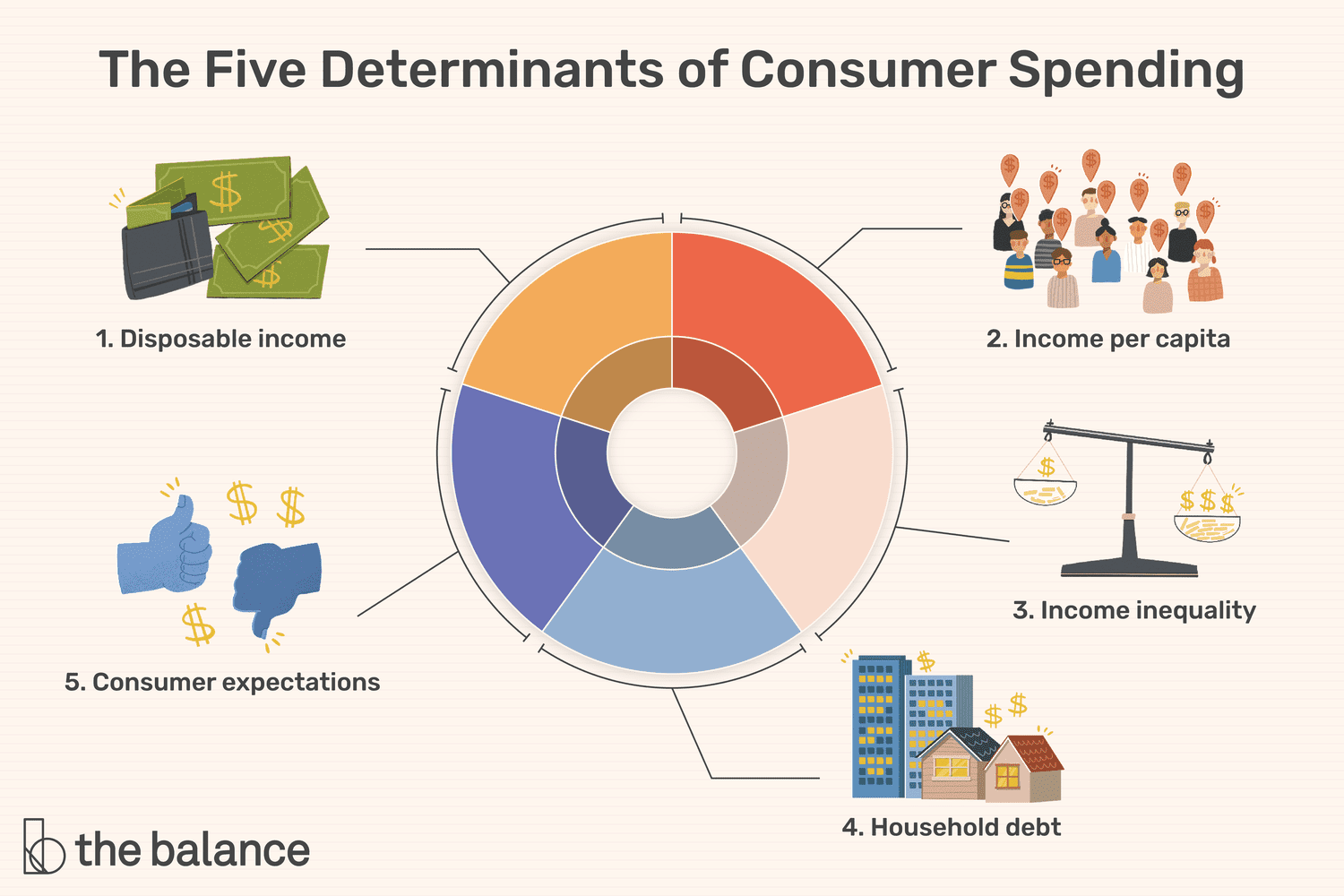
Affirm’s revenue depends heavily on consumer spending, especially for discretionary goods. In periods of economic uncertainty, inflation, or rising interest rates, consumer spending patterns may shift, impacting Affirm’s transaction volumes. Rising interest rates pose an additional challenge as they increase Affirm’s own borrowing costs. As interest rates climb, Affirm’s margins may compress, reducing profitability. - Path to Profitability Remains Unclear
Affirm, like many high-growth tech companies, has prioritized expansion over immediate profits. This approach is attractive to some growth-oriented investors, but for more conservative investors, Affirm’s lack of profitability is a major concern. Although revenue is growing, Affirm is yet to demonstrate a clear and consistent path to profitability, which has kept some investors on the sidelines.
As investor sentiment shifts away from speculative, high-growth stocks toward companies with strong fundamentals, Affirm’s valuation may be vulnerable to broader market trends. Without a solid plan to achieve profitability, AFRM could be seen as a risky, short-term gamble rather than a dependable long-term investment.
Long-Term vs. Short-Term: Which Strategy Fits Affirm?
For Long-Term Investors:
Affirm’s potential to build a financial ecosystem around its BNPL platform could offer sustainable growth. The company’s partnerships, brand strength, and technology-driven risk management provide a strong foundation. However, long-term investors should be prepared for significant volatility, regulatory uncertainties, and an extended timeline to profitability. For those who believe in the future of BNPL and Affirm’s ability to lead in this market, holding the stock through potential ups and downs could pay off.
For Short-Term Investors:
AFRM’s sensitivity to earnings announcements, economic shifts, and regulatory news makes it a stock with high volatility—ideal for short-term trading but risky for those seeking stability. Affirm’s stock often reacts strongly to earnings reports, partnership news, and broader BNPL industry developments, creating opportunities for speculative gains. However, the same factors that drive short-term gains can also lead to steep declines, making AFRM a higher-risk choice for quick returns.
Final Thoughts
Affirm is a high-growth company at the forefront of the BNPL trend, with a potentially transformative approach to consumer finance. The company has the ingredients to be a long-term success, including strong partnerships, a recognizable brand, and a loyal consumer base. However, intense competition, regulatory risks, and the need to achieve profitability introduce significant challenges that add to its volatility.
For long-term growth-oriented investors who believe in the BNPL market’s potential, AFRM offers a compelling but risky opportunity. For those more interested in short-term gains, the stock’s volatility presents speculative opportunities, though the risks are high.
In the end, Affirm’s stock is best suited for investors with a higher risk tolerance, whether their strategy is to hold for the long run or trade on short-term price movements. As with any high-risk investment, careful research and risk management are essential.