





Affirm Holdings, Inc. (NASDAQ: AFRM) has become a prominent name in the financial technology space, particularly through its “buy now, pay later” (BNPL) services that let consumers break down purchases into manageable installments. Since its founding in 2012, Affirm has transformed how consumers shop online, offering a flexible alternative to credit cards, often without hidden fees or compounding interest. But as BNPL grows in popularity, the landscape is shifting—driven by both massive consumer demand and increased regulatory and competitive pressures. The big question is: how will Affirm and the BNPL market evolve, and what does the future hold?
Let’s take a closer look at Affirm’s role in the BNPL market, the trends shaping the industry, and the factors that will influence the future of BNPL as a consumer finance option.
Affirm’s Unique Approach and Market Position
- Transparency and Consumer Trust
Affirm has gained consumer trust by positioning itself as a transparent and responsible lender. Unlike many credit card companies, Affirm provides installment loans with a fixed payment schedule and no hidden fees, late fees, or compounding interest, helping customers avoid debt spirals. This approach appeals especially to younger consumers who are wary of traditional credit options and want clearer payment terms. By offering transparent credit, Affirm has attracted a loyal customer base, even as new BNPL providers enter the market. - Key Partnerships with Major Retailers
Affirm has partnered with some of the largest names in retail, including Amazon, Walmart, and Shopify. These partnerships are a significant growth driver, bringing Affirm’s services to millions of consumers. The Amazon partnership, for example, has given Affirm access to the largest online retailer’s customer base, positioning it as a go-to BNPL provider for a wide range of products. By working with these major retailers, Affirm can offer consumers payment flexibility while strengthening its position in the market. - Expanding Financial Services Beyond BNPL
While BNPL remains Affirm’s primary business, the company is expanding its offerings. For instance, Affirm has launched high-yield savings accounts and hinted at additional financial products to create a more comprehensive digital financial platform. These moves could diversify Affirm’s revenue streams, helping it adapt as the BNPL market matures. By building a financial ecosystem around BNPL, Affirm aims to deepen its relationship with customers and retain them even as they evolve into higher-income or more creditworthy profiles.
The Future of BNPL: Key Trends and Challenges
- Increased Competition and Consolidation
BNPL has exploded in popularity, with both fintech companies and traditional financial institutions entering the space. Competitors like Klarna, Afterpay, and PayPal have established themselves as major players, and big banks are also launching installment payment options. As competition intensifies, BNPL providers may be forced to reduce fees or offer promotions, impacting profitability. Additionally, the potential for mergers and acquisitions may reshape the BNPL landscape as companies look to consolidate and scale their services.
Affirm’s strong brand and major partnerships give it an advantage, but the company will need to continue innovating to stay competitive. Expanding its product offerings, improving its technology, and potentially entering new markets are all strategies that could help Affirm differentiate itself and maintain its position.
- Regulatory Scrutiny and the Push for Consumer Protections
The rapid growth of BNPL has caught the attention of regulators worldwide. The U.S., U.K., and other governments are exploring how to ensure BNPL services protect consumers and remain transparent. Concerns include the potential for consumers to accumulate unmanageable debt, the need for clearer credit reporting, and the risk of misleading advertising. In the U.S., the Consumer Financial Protection Bureau (CFPB) has been investigating the BNPL industry, which could lead to new regulations.
For Affirm, regulatory changes may introduce compliance costs or restrict certain practices, such as lending to high-risk consumers. However, Affirm’s commitment to transparency and no-fee policy may position it favorably compared to competitors if the BNPL market becomes more regulated. Being proactive and preparing for regulatory changes could enable Affirm to adapt smoothly, reinforcing its brand as a consumer-centric lender.
- Evolving Consumer Preferences and Economic Conditions
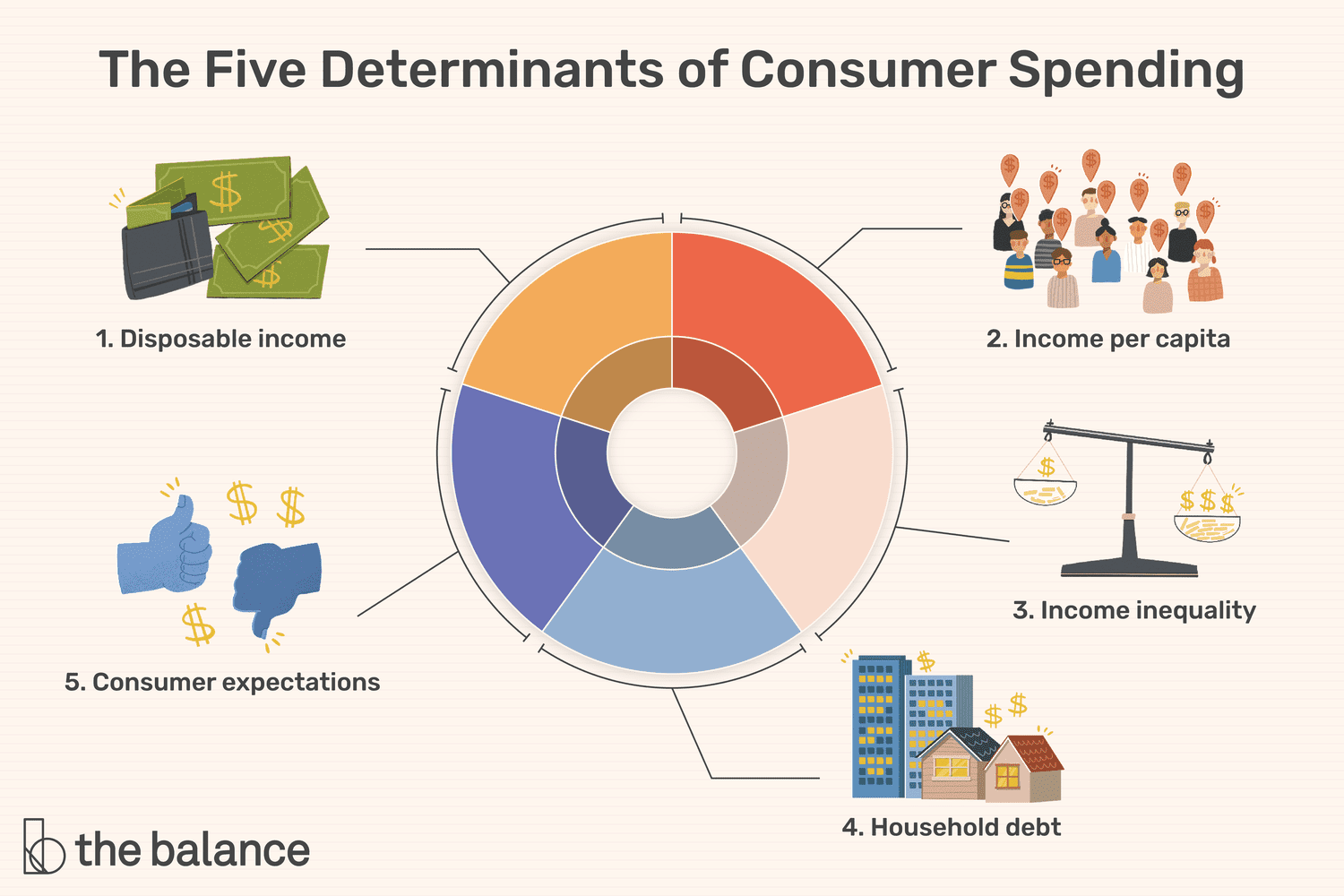
BNPL has strong appeal among millennials and Gen Z, who favor flexible, transparent financial options. However, consumer spending habits may shift as economic conditions change. Inflation, rising interest rates, and economic uncertainty can all impact BNPL providers like Affirm. For instance, consumers may become more cautious about taking on installment payments, or they may prioritize saving over spending in uncertain times. Additionally, higher interest rates could raise Affirm’s borrowing costs, impacting its margins.
Despite these challenges, the fundamental appeal of BNPL remains strong. Affirm’s no-interest and no-fee options could help attract budget-conscious consumers, especially if credit card interest rates continue to rise. Adapting to changing economic conditions and consumer preferences will be key to Affirm’s long-term success.
- Technology-Driven Innovation and Enhanced Risk Assessment
Technology is at the heart of BNPL, and Affirm’s use of data and AI to assess creditworthiness is a major differentiator. As the company grows, its ability to manage risk while extending credit to a wide range of consumers will be crucial. Advances in artificial intelligence, machine learning, and data analytics could allow Affirm to improve its risk management, potentially enabling it to offer credit to more consumers while keeping default rates low.
Additionally, by leveraging customer data, Affirm can offer personalized financial products tailored to individual needs, enhancing customer experience and retention. Technology may also enable Affirm to explore new verticals, like healthcare or education financing, creating more opportunities to expand beyond retail.
What’s Next for Affirm and the BNPL Industry?
As BNPL matures, Affirm is positioned to benefit from continued demand but will face growing challenges as well. The company’s strong brand and reputation for transparency, combined with its partnerships with leading retailers, make it a frontrunner in the BNPL space. However, competition, regulatory uncertainty, and economic factors may create headwinds in the coming years. Affirm’s ability to adapt to these changes, while continuing to innovate and expand, will determine its place in the future of BNPL.
To stay ahead, Affirm may pursue the following strategies:
- Product Diversification and Expansion
Affirm’s foray into savings accounts and other financial products is a sign that it aims to diversify its revenue streams. By developing a more holistic financial platform, Affirm can increase customer lifetime value and protect itself from shifts in the BNPL market. Exploring other credit products or financial services—such as personal loans, credit reporting tools, or budgeting services—could help Affirm build a lasting customer relationship. - International Expansion
While BNPL has grown in the U.S., international markets present significant growth opportunities. Affirm could benefit from expanding into new regions where BNPL is still emerging, particularly in Europe and Asia. International expansion, however, would require navigating different regulatory environments and competitive dynamics. - Building Loyalty Through Customer Experience
Affirm’s emphasis on transparency and consumer-friendly terms has already built strong loyalty among users. To retain this loyalty, Affirm may introduce rewards programs or loyalty incentives, encouraging repeat use and making it harder for customers to switch to competitors. Enhancing the user experience through personalized offerings and easy-to-navigate technology could strengthen its market position. - Adaptation to Regulatory Developments
Staying ahead of regulatory changes is key for Affirm. By working closely with regulators, proactively adapting practices, and preparing for potential changes, Affirm can build resilience against compliance risks. Establishing itself as a trustworthy, compliant provider in a regulated BNPL environment may help Affirm stand out as a secure option for consumers.
Conclusion
Affirm and the BNPL sector as a whole are at a pivotal moment. The industry has grown rapidly and garnered widespread consumer adoption, but it now faces scrutiny, competition, and the need to mature into a sustainable financial model. Affirm’s approach—focused on transparency, technology, and strategic partnerships—positions it well for the future, but the company must navigate both external and internal challenges.
If Affirm can continue expanding its product offerings, keep up with regulatory changes, and innovate to meet evolving consumer demands, it may cement itself as a leader in the broader fintech landscape. As BNPL shifts from a trending concept to an established financial tool, Affirm’s future will depend on its ability to evolve, adapt, and prove that BNPL is more than just a passing trend. For now, Affirm’s path forward is promising, but it will require careful planning and agility to fully realize the potential of BNPL.