





Affirm Holdings, Inc. (NASDAQ: AFRM), a prominent player in the buy now, pay later (BNPL) sector, is gearing up to report its latest quarterly earnings. With a rapidly evolving market and increased scrutiny of the BNPL industry, investors are keenly watching for signs of growth and stability in Affirm’s performance. Here are the key factors to watch this quarter as Affirm reveals its financials and provides updates on its strategic direction.
1. Revenue and Transaction Volume Growth
Revenue growth is one of the primary indicators of Affirm’s market momentum, especially in a competitive BNPL landscape. Last quarter, Affirm reported a 34% year-over-year increase in revenue, signaling strong demand for its services. This quarter, analysts will be watching to see if Affirm can sustain or even accelerate this pace.
Transaction volume, which measures the total dollar value of purchases financed through Affirm, is another key metric. With partnerships like Amazon, Walmart, and Shopify driving transaction volume, analysts will be looking for continued strength in these partnerships. Additionally, any signs of an expanding merchant base and increased adoption among new and existing users will reflect positively on Affirm’s growth trajectory.
2. Consumer Demand and BNPL Trends
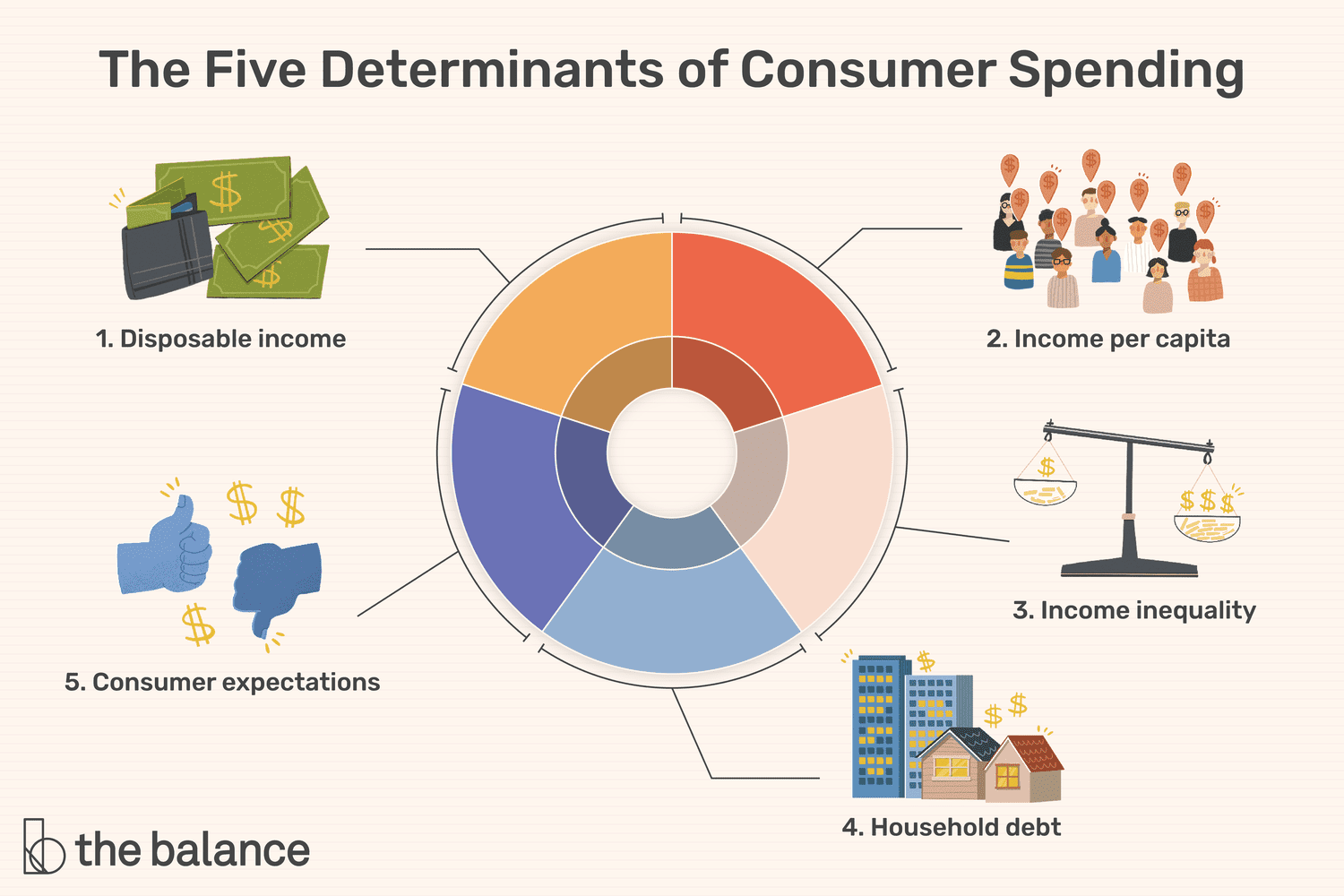
The broader BNPL market has been experiencing explosive growth as consumers embrace installment payments for both essential and discretionary spending. However, as inflation pressures consumer budgets and interest rates remain high, consumer spending behavior is shifting. Investors will be watching to see if consumer demand for BNPL remains resilient, as well as if Affirm’s transaction volumes reflect continued interest in its services or a softening in demand.
Affirm’s performance in this area will provide insight into whether BNPL can thrive even as economic pressures mount. Since BNPL has been popular among younger consumers with lower credit availability, signs of financial strain, such as increased loan delinquencies, could signal challenges ahead.
3. Earnings and Profitability Metrics
While Affirm has shown impressive growth, profitability has remained elusive. Like many high-growth tech companies, Affirm has traditionally focused on scaling its user base and merchant network, often prioritizing this growth over immediate profitability. However, with rising interest rates and increased investor scrutiny, the pressure to show a path toward profitability is growing.
This quarter, investors will be paying close attention to net income, EBITDA (earnings before interest, taxes, depreciation, and amortization), and margins. They’ll also want to see how Affirm is balancing growth with cost efficiency. Affirm’s management may outline plans to improve profitability through cost-cutting, pricing adjustments, or new revenue streams, which would provide more confidence to investors concerned about long-term sustainability.
4. Impact of Interest Rates on Affirm’s Financing Costs
Interest rates have a profound impact on Affirm’s bottom line, as the company relies on financing to fund the loans it offers to consumers. When interest rates rise, Affirm’s own borrowing costs increase, potentially compressing margins if these costs are not passed on to merchants or consumers. With the Federal Reserve recently maintaining a high interest rate environment, Affirm’s cost of capital is expected to be under pressure.
Investors will be looking to see if Affirm has managed to mitigate the impact of rising rates, either through renegotiating financing terms, adjusting interest rates charged to consumers, or other cost-management measures. If the company has been successful in offsetting rising borrowing costs, it would be a positive signal for its ability to navigate a challenging macroeconomic environment.
5. Merchant and Consumer Adoption of New Products
Affirm has been expanding beyond its traditional BNPL offerings, moving into new products like high-yield savings accounts and other consumer financial services. Any updates on the adoption of these newer products will be critical for investors, as they represent an opportunity to diversify Affirm’s revenue streams and reduce its reliance on BNPL.
Additionally, Affirm’s recent moves to offer loyalty programs and personalized financial tools to merchants and consumers could provide a boost to engagement and retention. Updates on these initiatives, such as user engagement rates or merchant interest, will indicate whether Affirm’s strategy to expand its ecosystem is gaining traction and delivering results.
6. Strategic Partnerships and Their Impact
Affirm’s strategic partnerships with Amazon, Shopify, Walmart, and other retail giants are central to its growth strategy. Investors are eager for updates on how these relationships are impacting transaction volumes, revenue, and customer acquisition. Given the competitive nature of the BNPL sector, Affirm’s partnerships with large, trusted brands give it a significant advantage in reaching millions of consumers.
Insights on transaction trends within these partnerships, particularly Amazon, will be closely watched, as these partnerships provide access to enormous pools of potential customers. Additionally, any mention of new partnerships or further integrations could be a bullish signal for the stock, as these alliances enhance Affirm’s brand visibility and growth potential.
7. Loan Performance and Credit Quality
As a lender, Affirm’s financial performance is also dependent on loan repayment rates and the overall credit quality of its customers. Rising interest rates and inflation have placed financial strain on many households, and investors are wary of an increase in loan delinquencies or defaults. Affirm’s last earnings report highlighted the company’s efforts to improve its underwriting standards, and this quarter’s results will reflect whether those adjustments have strengthened its loan portfolio.
If Affirm reports a rise in loan delinquencies or a higher percentage of charge-offs, it could signal that consumers are struggling to keep up with their payments, which may impact investor confidence. However, strong performance in loan quality could reassure investors that Affirm’s risk management practices are robust, even in a challenging economic environment.
8. Regulatory Updates and Potential Implications
The BNPL sector has been facing increasing regulatory scrutiny as consumer advocates raise concerns about the risks associated with installment payments, particularly among young consumers. Regulators in various regions are evaluating BNPL providers’ transparency, credit assessment practices, and potential debt accumulation among users.
Affirm’s management may address regulatory developments in its earnings call, providing updates on how it is adapting to meet compliance standards and mitigate potential legal risks. Any regulatory updates will be particularly important for long-term investors, as they could affect Affirm’s operating costs and growth potential if compliance requirements become more stringent.
9. Management’s Outlook and Guidance
Finally, investors will be focused on Affirm’s outlook for the coming quarters and the broader fiscal year. With economic uncertainties, management’s guidance on revenue, transaction volume, and profitability targets will be crucial in shaping investor expectations. Affirm’s leadership may also provide insight into how it plans to navigate potential economic headwinds, such as consumer spending shifts or further rate hikes.
If management offers a cautiously optimistic outlook and highlights strategies to manage costs, improve margins, and capture growth opportunities, it could provide a confidence boost for investors. However, if the guidance is conservative or indicates potential challenges ahead, it could lead to a sell-off as investors reassess Affirm’s near-term growth potential.
What’s at Stake for Affirm?
This earnings report is critical for Affirm as it seeks to build investor confidence and prove its resilience in an uncertain economic climate. Affirm’s partnerships, consumer demand, credit quality, and regulatory preparedness will all play significant roles in shaping how investors view the company’s prospects. If Affirm delivers positive results in key metrics like revenue growth, transaction volume, and loan quality, it could signal that the company is navigating economic challenges effectively, supporting its long-term growth narrative.
However, any signs of slowing growth, rising loan defaults, or heightened regulatory risks could cast doubts on Affirm’s future. For investors, Affirm’s quarterly earnings report will be a crucial opportunity to assess whether AFRM stock is a sound long-term investment or if caution is warranted in the face of potential headwinds.
As Affirm’s earnings are unveiled, this will undoubtedly be a quarter where investors look beyond the surface to evaluate the company’s financial health, strategic partnerships, and readiness for a dynamic market environment. Whether Affirm can meet or exceed expectations will likely set the tone for its stock performance in the coming months.