





Affirm Holdings (NASDAQ: AFRM) has been a hot topic in the financial world since its IPO in 2021, particularly due to its leading position in the Buy Now, Pay Later (BNPL) market. The company has seen considerable growth driven by its innovative payment solutions, strong retailer partnerships, and a growing consumer preference for flexible payment options. However, like many high-growth stocks, Affirm has also faced its share of challenges—volatility in its stock price, competition in the BNPL space, and economic headwinds such as rising interest rates and regulatory uncertainty.
So, as an investor, the key question remains: Should you buy, hold, or sell Affirm stock right now?
In this article, we’ll break down the factors influencing Affirm’s stock price, the current market conditions, and what investors should consider before making a decision.
1. Analyzing Affirm’s Recent Performance
Before making any decisions about whether to buy, hold, or sell AFRM stock, it’s essential to look at how the company has been performing recently. As of the latest earnings reports, Affirm has experienced both ups and downs. On one hand, the company has seen impressive revenue growth, driven by the rising adoption of BNPL solutions. On the other hand, there have been concerns about profitability, rising credit risk, and the broader market dynamics impacting Affirm’s business.
Revenue Growth vs. Profitability
Affirm’s revenue growth is a key positive indicator. The company reported solid year-over-year revenue increases, boosted by strong demand for BNPL services. Affirm has also expanded its merchant partnerships and is continuing to push into international markets. However, despite the revenue growth, Affirm has struggled with profitability. The company has faced challenges in managing its expenses, and its profit margins have been under pressure due to higher customer acquisition costs and increased credit losses in a higher-interest-rate environment.
For many investors, profitability remains the key factor in determining whether to buy or hold a stock. While Affirm’s growth story is compelling, its path to sustained profitability is not guaranteed, which could make some investors wary.
Stock Volatility and Market Sentiment
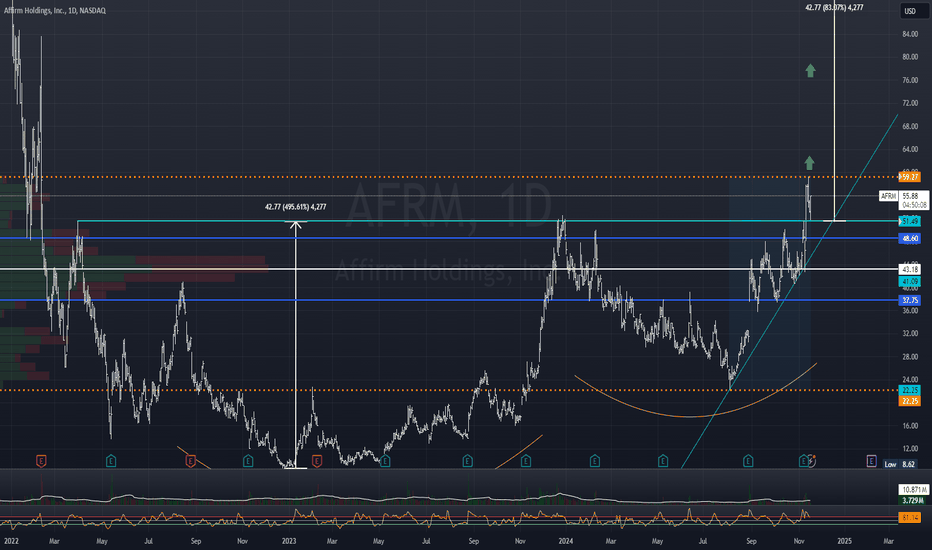
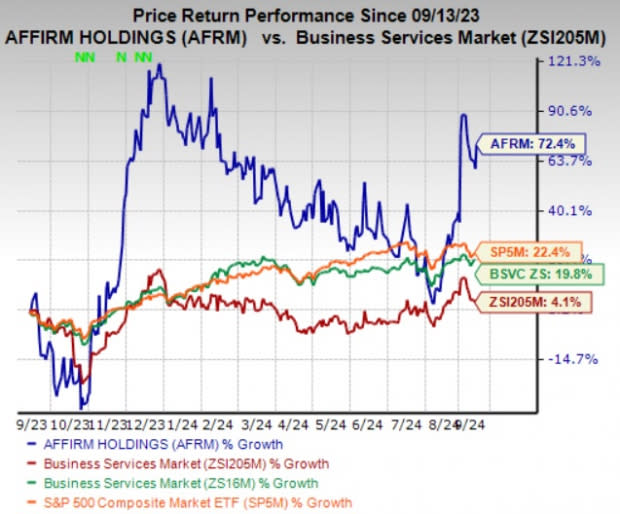
Another factor to consider is Affirm’s stock volatility. Since its IPO, AFRM stock has been highly volatile, with significant swings in price due to both broader market trends and company-specific events. Affirm’s stock price tends to react strongly to changes in interest rates, consumer credit conditions, and regulatory developments. This volatility can be unsettling for investors who are seeking stability.
The broader sentiment surrounding the fintech sector also plays a role in Affirm’s stock price movements. When investor sentiment toward growth stocks or fintech stocks is high, Affirm tends to perform well. However, when concerns about rising rates, inflation, or a potential economic slowdown arise, stocks like Affirm, which are reliant on consumer spending, can face significant headwinds.
2. Factors to Consider Before Making a Decision
Economic Conditions and Interest Rates
One of the most important factors affecting Affirm’s stock price is the macroeconomic environment. Interest rates have been on the rise in 2023 and 2024, as the Federal Reserve works to combat inflation. For companies like Affirm, which provide consumer financing, higher interest rates can have a significant impact. The cost of capital becomes more expensive, which can reduce the demand for loans and increase defaults on loans issued by Affirm.
For consumers, higher interest rates can make borrowing more expensive, which could reduce their willingness to use BNPL services like Affirm’s. This poses a risk to Affirm’s growth potential, especially if economic conditions worsen or if interest rates remain elevated for an extended period. Investors will need to keep a close eye on the Federal Reserve’s policy and how it may impact consumer spending and borrowing behaviors.
Regulatory Scrutiny
The BNPL sector has been under increasing scrutiny from regulators, with governments around the world considering new rules to protect consumers from debt accumulation. If regulatory changes are implemented, they could impact Affirm’s ability to operate freely in certain markets or require the company to adjust its business practices.
For instance, some regulations could limit the amount of credit that can be extended to consumers or impose stricter disclosure requirements for BNPL providers. While these regulations are meant to protect consumers, they could result in higher compliance costs for Affirm, which could negatively affect its profitability and stock price in the short term.
Competition in the BNPL Market
Competition in the BNPL space continues to intensify. Affirm faces competition not only from other BNPL providers like Klarna, Afterpay, and PayPal Credit, but also from traditional financial institutions that are expanding into this space. These competitors are aggressively pursuing market share, which could put pressure on Affirm’s margins and limit its growth prospects.
However, Affirm’s strategic partnerships with major retailers and its expanding product offerings, such as savings accounts and longer-term loans, may help the company maintain a competitive edge. Investors should evaluate how Affirm plans to differentiate itself from its competitors and whether it can sustain its market leadership in the face of increased competition.
3. Should You Buy Affirm Stock?
Affirm’s long-term growth potential is undeniable, especially as the BNPL industry continues to evolve and expand. The company’s ability to tap into global markets, secure high-profile retail partnerships, and innovate with new financial products positions it well for future growth. Additionally, Affirm’s focus on using AI and data analytics to enhance its risk management and credit models could provide it with a competitive advantage as the industry matures.
However, the risks associated with the stock cannot be ignored. The rising interest rate environment, potential regulatory hurdles, and increasing competition in the BNPL market could all weigh heavily on Affirm’s future performance. Moreover, Affirm’s struggle with profitability means it may take longer than anticipated to achieve consistent earnings growth, which could delay the stock’s recovery or growth trajectory.
For investors looking for high growth with higher risks, Affirm stock could be an appealing opportunity, but it’s important to weigh the potential for volatility. If you believe in the long-term potential of the BNPL market and Affirm’s ability to maintain its competitive position, buying or holding the stock could be a reasonable choice. However, if you’re more risk-averse or concerned about the impact of macroeconomic factors, it might be better to take a wait-and-see approach or consider selling.
4. Should You Hold Affirm Stock?
If you already own Affirm stock, deciding whether to hold depends on your investment horizon and risk tolerance. If you’ve been with the company for a while and are confident in its long-term prospects, holding the stock may be a good option. Affirm’s growth potential, especially in international markets, and its strategic partnerships with major retailers are key factors that could drive future stock appreciation.
However, if you’re concerned about the near-term risks—such as rising interest rates, regulatory scrutiny, or increasing competition—you might consider reducing your position or re-evaluating your investment in the short term. Holding Affirm stock requires a high tolerance for volatility, and investors should be prepared for potential ups and downs in the stock price.
5. Should You Sell Affirm Stock?
Selling Affirm stock might be a viable option for investors who are cautious about the company’s future prospects or those who are seeking to reduce their exposure to the fintech or growth stock sectors. If you believe that the challenges posed by rising interest rates, regulatory changes, or competition will outweigh Affirm’s growth potential, then selling could be a prudent decision.
Additionally, if you’re looking for more stability in your portfolio and are concerned about Affirm’s ability to deliver consistent profits in the near term, liquidating your position might help you mitigate risk.
Conclusion: The Decision Is Yours
Deciding whether to buy, hold, or sell Affirm stock requires careful consideration of several factors, including the company’s growth prospects, the risks it faces, and the broader market conditions. While Affirm has strong growth potential driven by its market position in the BNPL space, the company’s path to sustained profitability is not without challenges.
For those willing to take on risk in exchange for long-term growth potential, Affirm could be an attractive investment. However, if you’re concerned about macroeconomic headwinds, increased competition, or regulatory changes, you might want to proceed with caution. As with any investment decision, it’s important to carefully assess your own financial goals, risk tolerance, and time horizon before making a move.